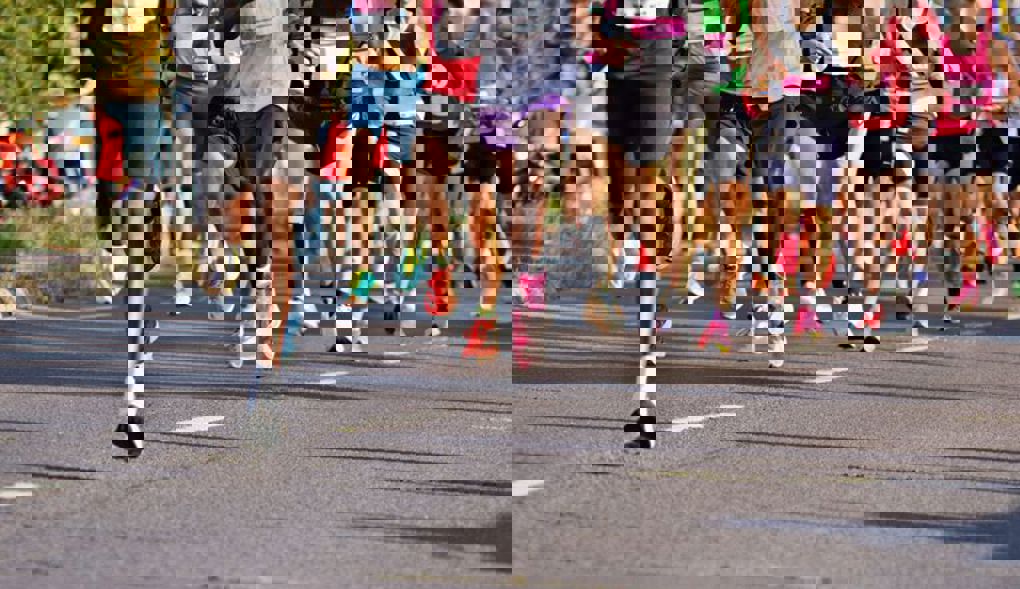
🏃♂️ What is a Marathon?
A Marathon is a long-distance running event with a standard distance of 42.195 kilometers (26.2 miles). It's a test of endurance, stamina, and mental strength, often organized on roads, trails, or cities.
It’s more than just a race — it’s a celebration, a personal challenge, and a global community event.
🏁 Types of Marathon Events (Distance Categories)
Marathon events usually have various distance categories to suit different participants:
- Full Marathon : The main event (42.195 km)
- Half Marathon: Half the full marathon (21.097 km)
- 10K Run: For intermediate runners (10 km)
- 5K Fun Run: For beginners/families (5 km)
- Kids Run: For children(1–3 km)
- Ultra Marathon: Beyond 42.195 km ( 50K, 100K, 24hr)
- Trail Marathon : Off-road or mountain (Various)
- Virtual Marathon: Run anywhere, submit online (Varies)
⏱️ What is Finish Time?
Finish time refers to the total time a participant takes to complete the race.
Example: If you complete a full marathon in 4 hours and 30 minutes, your finish time is 4:30:00.
Most marathons have a cut-off time, e.g., 6–7 hours for the full marathon. Participants must finish within this time to be considered official finishers.
🏃♀️ What is Pace?
Pace is the time it takes to run 1 kilometer or 1 mile.
Expressed as minutes per kilometer (min/km).
Example: If you run 5 km in 25 minutes, your pace is 5:00 min/km.
Keeping a consistent pace is crucial for long-distance success and energy management.
🧭 What Happens During a Marathon Event?
- Registration: Online or offline sign-up. Includes T-shirt, bib number, goodies.
- Race Kit Pickup: Usually 1–2 days before the race. Includes bib, timing chip, instructions.
- Race Day: Early morning event with starting ceremony, warm-up, and the race itself.
- Aid Stations: Water, electrolytes, energy gels every 2–5 km.
- Medical Support: First aid and ambulances are on standby.
- Finish Line: Runners receive a Finisher Medal, photos, refreshments.
- Post-Race Event: Music, prize distribution, photo booths, celebrations.
🧑🤝🧑 Who Participates?
Professional athletes: Compete for time and titles.
Amateur runners: Personal challenges and health.
Senior citizens: To stay active and social.
Children: Through fun runs.
People with disabilities: Participate in wheelchair marathons and special categories.
🏋️♂️ How Do Runners Prepare?
1. Physical Training:
Long runs, speed runs, interval training.
Cross-training (swimming, cycling).
Strength and flexibility exercises.
2. Nutrition:
High-carb meals.
Balanced hydration plan.
Fueling strategy for race day (e.g., gels, bananas).
3. Rest and Recovery:
Adequate sleep.
Active recovery (light runs).
Stretching, foam rolling, massage therapy.
⛑️ On-Course Support During the Race
🧃 Hydration & Energy Stations.
🩺 Medical booths & ambulances.
🪧 Directional signs and volunteers.
📸 Race photographers and videographers.
🎧 Live music, DJs, cheering squads.
🏅 Finisher medals & digital certificates.
🌍 World-Famous Marathons
The World Marathon Majors are the 6 most prestigious marathons globally:
Event Name Country
Boston Marathon USA
London Marathon UK
Berlin Marathon Germany
Chicago Marathon USA
New York Marathon USA
Tokyo Marathon Japan
🏃♂️ Formats of Participation: Physical vs. Virtual vs. Hybrid
🏟️ 1. Physical RunParticipants gather at a physical location (city streets, park, trail) and run the marathon on a marked route at a fixed time.
Key Features:
Dhaka Marathon, Boston Marathon, Berlin Marathon
🌐 2. Virtual Run
Participants run from any location (road, treadmill, track) and submit their time/results online using GPS apps like Strava, Nike Run Club, etc.
- Live crowd, volunteers, energy stations
- Chip timing
- On-the-spot medal and celebration
- Community feel and in-person cheering
Dhaka Marathon, Boston Marathon, Berlin Marathon
🌐 2. Virtual Run
Participants run from any location (road, treadmill, track) and submit their time/results online using GPS apps like Strava, Nike Run Club, etc.
Key Features:
- Flexible timing and location
- No crowd or race-day pressure
- Medal and certificate shipped (in some cases)
- Perfect during pandemics or for global participation
Virtual London Marathon, Global Virtual 5Ks
🔄 3. Hybrid Run
A mix of physical and virtual participation. Organizers offer both options and runners choose based on convenience.
Key Features:
- Participants may run onsite or remotely
- Unified leaderboard or separate rankings
- Often used for international inclusivity
Cox’s Bazar Marathon 2022 allowed both on-ground and virtual runners.
🏞️ Types of Marathons by Terrain & Format
Marathons are also categorized based on where and how they are run:Road Running: Most common type; takes place on city roads/highways. Fast surface. Example: New York Marathon.
Trail Running: Off-road marathon, through mountains, forests, dirt paths. Requires special shoes and high endurance. Example: Chittagong Hill Marathon.
Ultra Marathon: Any race longer than 42.195 km. Can be 50K, 100K, 12-hour, 24-hour races. Mostly trail-based.
Relay Marathon: A team of runners each run a segment of the full marathon distance.
Backyard Ultra: Runners must run a loop (e.g. 6.7 km) every hour until only one remains.
Stage Races: Multi-day marathons (e.g., 250 km over 5 days). Usually in extreme terrain like deserts or mountains.
🏆 Common Running Terms
- Bib Number: Your race ID worn on your chest
- Chip Time: Your exact timing based on chip tracking
- Gun Time: Time from the official race start
- DNF: Did Not Finish
- DNS: Did Not Start
- PB / PR : Personal Best / Personal Record
- BQ: Boston Qualifier (meeting Boston entry time)
❤️ Why Is Marathon Important?
Marathon is not just a sport — it teaches life lessons:
- Builds discipline and endurance
- Improves physical and mental health
- Encourages community and team spirit
- Helps in overcoming personal limits
- Many races support charities and causes